My Dog Doesn’t Listen!

I want to tell Ari’s story today. Ari is my 4 year old German Shorthair Pointer who we affectionately call “Raptor Face” because he would go for your face as a puppy like a bird of prey (lovingly of course). Anyway, Ari no longer goes for the face in a fit of puppy chewing rage instead he’s a pretty sweet and lovable guy. And he’s pretty well trained these days (he took longer than any of my other dogs… oh sporting dogs).

Ari1

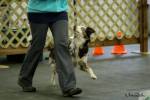
Ari taught me a valuable lesson as a dog trainer last summer. I swear I am constantly being humbled by crew and this was definitely one of those situations. Last summer I entered Ari in his fourth agility competition. He had three trials earlier in the year and had done pretty well. He had decent focus, was able to handle the distractions and was responsive. He even moved up to Advanced Gamblers after only two runs in Starters. I was so certain Ari was going to be an agility star.

Ari3.jpg

At his fourth trial he wasn’t the same dog as he had been previously. We had practiced at this venue before so he was used to being there. It was the same group of people who had come to the previous trials. Everything should have been great but it wasn’t.

Ari wouldn’t look at me. He barely wanted his treats. He had zero interest in the agility equipment. Who was this dog? Ari wanted to run around, he wanted to smell and he wanted nothing to do with me or my partner James. We were at a loss.

I warmed up him with lots of obedience – lots of treats – lots of tugging. Everything I could to get him focused and nadda.

It took me two months to figure out what was going on with him. It should have taken me five minutes. I am a dog trainer and if it had been anyone’s dog but mine I probably would have clued in immediately.

You see Ari wasn’t being bad. He was purposely ignoring me. He was acting like a stressed dog. He wasn’t eating, he was offering displacement behaviour and he couldn’t focus. Classic stress. Happily I didn’t punish Ari for acting up that day instead James took him for a long walk and then we took him home.

Ari2.jpg

Why was Ari stressed? Well one month before that fourth trial he had been attacked by a large off leash dog in my friend’s driveway while he was on leash. He was minding his own business and about to get into my car and he was jumped. He was injured too. So the next time we were around other dogs was at the trial (besides the dogs he’s already friends with). He was uncomfortable being in that busy environment and couldn’t perform.

Ari is bouncing back nicely. We played disc with a friend’s dog (new dog to him) just two weeks ago but it took us months and months of work to even get that far. He hasn’t been back to another agility trial since but we still practice. He’s quite good at it in practice too!

So the next time your dog is being bad – ask yourself “is my dog stressed?”. It might not be something as dramatic as a dog attack that makes your dog stressed. It can be something so minor you miss it. It’s always a good idea to step back from the situation and analyze what your dog’s body language and behaviour is telling you.

Ari4.jpg

Posted in Behaviour Issues | Tagged , , , , , , , , , , , | 1 Comment

Outnumbered!

Yesterday, I had a friend post a Facebook video about what is proper etiquette when walking dogs. She had three with her and struggled to pass a person with one dog who wouldn’t move out of the way. While I can relate to her frustration (I’m often walking four!) there’s some tips and tricks to walking multiple dogs that can make your life so much easier.

1. Train each dog individually – I can not over emphasize the importance of this! Your dogs need one on one attention so giving them that attention is a crucial part of having more than one dog.

The other issue is that the dogs can feed off each other. So if one dog is barking/lunging at people/dogs than chances are your other one will jump in too. Take the time to develop strong obedience skills one on one.

2. Ensure you are well set up with the proper equipment. I use a variety of tools for dog walking depending on the dog but the most important thing is that what I am using fits! If a dog can get out of their harness or collar and you have two others on leash it can be a disaster. Ensure everything you use fits and is effective. I recommend harnesses like the Freedom Harness for most dogs.

If you are walking off leash ensure your dogs listens well enough to be off leash. Don’t assume it’s ok to let your dog run up to other people’s. Use a long line if you’re unsure about your dog’s ability to recall and do some training on that skill.

3. Use paths/trails where there’s lots of room to get out of the way when you see someone else coming by. I like to move my crew out of the way (because I don’t trust the other person to do so) and ask them to pay attention to me while the dog/person passes. This sometimes means moving pretty far off if the passing dog looks out of control.

AriRunning

4. Only take the amount of dogs that you can handle in an emergency. My dogs all have strong stays and focus around distraction. However if I have a friend’s dog or a client’s dog with me than I generally won’t take everyone all together. I may only take one or two at a time. You never know what the world is going to throw at you so ensure you have good control even when things go wrong. An example would be an off leash, stray dog attacks one of the dogs you are walking – if you have too many how will you break it up?

5. Carry emergency equipment. I live in Bear and Cougar country so I need to prepare for that but even if you’re walking in the city you need to be prepared for a dog fight. I carry an airhorn with me on walks and I recommend others do the same.

Walk safely! Train your dog for success! 

MarcoHike

Posted in General Advice, Uncategorized | Tagged , , , , , , | Leave a comment

Counter Surfing is a Fun Sport!

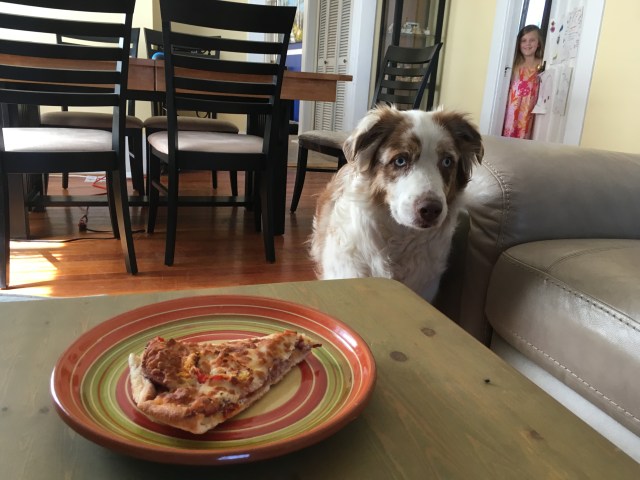
My 6 year Australian Shepherd has recently discovered the sport of Counter Surfing aka stealing my food from my counter, table, desk, etc. This is a brand new behaviour for him and pretty annoying I might add.

IMG_2799

I’ve honestly never really had to worry about counter surfing as all my dogs would typically not take something off a table even a low coffee table. Well those days are gone. Just yesterday I spotted my lovely boy standing on my desk chair and trying to remove some peanut butter toast from my desk. I asked him to “leave it” which he did but I knew if I hadn’t of spotted him my breakfast would have been gone.

So what is counter surfing? It’s when a dog takes food from somewhere they shouldn’t – most families it’s counters – and self rewards for the behaviour. For some dogs even a one time success creates a lifetime problem. My biggest concern about it isn’t even the lose of my meal it’s that sometimes I eat things that are dangerous to dogs like avocados or cooked chicken with bones in it.

So how do I keep my dog safe? Here’s the plan:

  1. Reduce the likelihood of a steal with good management. This means I won’t leave food out unattended at all. Even though I have a kid. This means when I bring her meal to the table I will stand there until she physically sits down and come back as soon as she’s done. So no excuses from parents here! We are all in the same boat.
  2. Work on some impulse control exercises with supervision and set the dog up for success. We’re going to revisit our leave it skills. I’ll start slow and work my way up to a tasty peanut butter kong on a plate on my coffee table. I’m going to ensure my dog never gets the chance to steal in these circumstances (you may need to tether your dog as back up but chances are if you need a leash you’ve moved through the skill too quickly).
  3. Evaluate his daily games and activities. My Australian Shepherd is a highly active guy with a sharp mind. I may need to increase his interactive toys – like kongs – as well as take him on some new hikes to explore some interesting smells.

MarcoLeaveItPhoto

Now for you beginners out there here’s out to teach a Leave It:

  1. Start with 2 treats, 1 in each hand
  2. Show the dog 1 hand with the treat in it
  3. Say “Leave It” once at the beginning and close hand
  4. Wait for dog to look away
  5. Say “Yes” and reward with the treat in the other hand as soon as they look away (for any reason). Do not reward with the leave it treat.

Once your dog is easily leaving a closed hand (switch hands a few times).

  1. Same exercise but leave your hand open instead of closed. If your dog goes to snag the treat just gently close your hand and wait. Once they back up open the hand again.
  2. When the dog leaves it with the open say “Yes” and reward with the other treat.

Once your dog is great with the hands move to the floor. Place a hand or foot over the treat if your dog goes to grab it. You can also place the treat on a coffee table or something similar.

Ensure your dog doesn’t get to steal though.

Posted in Behaviour Issues, Uncategorized | Tagged , , , , , | 2 Comments

Home Alone

Hands down – separation anxiety – is the worst behaviour issue I’ve had to live with in my own dogs and often the hardest on clients. Typically dogs with this disorder tend to make great pets. They love their people so much and just want to be with them all the time.

Separation anxiety has a range from dogs who stress a bit – pacing, little bit of drool, some vocalization all the way to dogs who will injury themselves (I’ve had one of the latter). The severe cases often require enormous amount of time, money and people to help you with dog sitting. They also require a Veterinarian who can offer support and medication while the dog is undergoing behaviour modification. It’s extremely hard on everyone involved.

So this blog entry isn’t about resolving separation anxiety – there’s no way to cover that in a blog entry! If you’re in the midst of this please consult a local experienced behaviourist (a person who has a Masters or PhD in animal behaviour) or a very experienced dog trainer. Nicole Wilde also has a great book which can help – “Don’t Leave Me”.

Baby Ari 3

This entry is all about preventing separation anxiety in the first place. My Pointer was a prime candidate for developing separation anxiety but happily I knew just how to set him up for success.

Some warning factors:

  • Difficult to crate train – lots of vocalization, urination in crate, etc.
  • Breed (Pointers are one of a few breeds more likely to develop this issue however it can affect any dog regardless of breed)
  • My husband was off work due to an injury so our puppy was almost never alone
  • Our pup was a “velcro” puppy and preferred to be with us at all times – preferably on us

Baby Ari 2

So here are the steps I took to ensure that my guy would end up being a happy, well adjusted member of our family.

  1. Ari had to spend time alone every day even if it’s was only 5 minutes. We did have other dogs around however the presence of other dogs rarely helps a dog with separation anxiety from their humans.
  2. We worked extremely hard on crate training. All of his meals were fed in the crate as well as tasty treats. We worked on having him comfortable in the crate in all circumstances – at home alone, at home with us home, at dog training classes, in the car, etc.
  3. Ari would receive special rewards when he was in his crate and alone. We would give him stuffed kongs, interactive toys and yes even extremely large knuckle bones (as isn’t the kind of guy who swallows bones).
  4. We also worked hard on confidence building activities like down stay, agility exercises and tracking. These fostered independence in him.
  5. We planned a mix of high energy exercise as well as thinking games to balance out his day. The worst thing you can do is take a dog from a high state of arousal (say playing fetch) and then leave them alone when they have anxiety. See my blog entry about different types of exercise.

This took Ari a few months to really settle in but by 4-5 months he was happily staying home alone and we avoided having a massive issue. Help set your dog up for success by teaching them how to be alone happily.

Baby Ari

Posted in Behaviour Issues, Uncategorized | Tagged , , , , , , | 1 Comment

The Art of Surprise

I own a variety of dogs and they all have one thing in common. If we are out on a quiet hike with low traffic they will ALL react when we see a person or dog appear. If we were in a higher traffic area this isn’t a problem.

So why does this happen? Why do we go from a nice quiet hike to barking, charging crazies? Well folks it’s because my dogs – as do most – have a startle and their response is to throw up a threat display triggered by that startle.

Hiking Girls

It’s annoying I’m not going to lie. Happily we’re pretty good at managing this behaviour. So here’s what to do if your dog has a similar issue.

  1. Watch out for people and dogs. If you hear them coming then preemptively leash up your dog. I catch more than I miss.
  2. Train a really great recall. So if one of my dog triggers (and then the rest follow) I just call them to me, reward for coming and leash up – disaster adverted!
  3. Teach a settle. I ask my dogs on cue to essentially “chill out”. I taught this skill while hanging out with them, waiting for them to relax and then rewarding. Once they learned they earned treats for chilling I just added a verbal cue to it by saying the word as they slide into position. Easy, peasy.

It sounds simple but teaching a recall and a settle for a dog that’s over excited is tough. Work on it in quiet areas and then progress to higher excitement levels. A favourite way for me to practice is to have someone ring the doorbell and then ask the dogs to settle. It engages the startle effective and then they learn how to calm down without charging any unsuspecting hikers and their pets! Also take your training show on the road and keep your dog on a long line while you practice.

Hiking Marco

Posted in Behaviour Issues, Uncategorized | Tagged , , , , , , , , , , , , , , , | Leave a comment

Crates & Kennels

I’ve lost count over the years of how many clients have called me to help them with problem behaviours like house soiling, chewing and general destructive behaviour. Almost every single time the dogs are left roaming the house both when the owners are home and when they are out. The dogs range in age from new puppy (8 weeks) to senior (over 13 years old!). It seems to be a major goal of new puppy owners to be able to leave their pup loose in the house as soon as possible.

From a dog training perspective it doesn’t make sense to be in a rush to leave a dog loose in a home unsupervised. A lot of things that dogs naturally enjoy are incompatible with our expectations. This includes not peeing where you want and leaving that couch alone! Or those of you who prefer your dog doesn’t help themselves to that loaf of bread on the counter.

And you know what my answer is? It’s almost always the same. I believe in kennel training dogs. All dogs with a few exceptions (very few). The exceptions tend to fall in that separation anxiety group and sometimes their needs are different. Both generally speaking the answer is to kennel train.

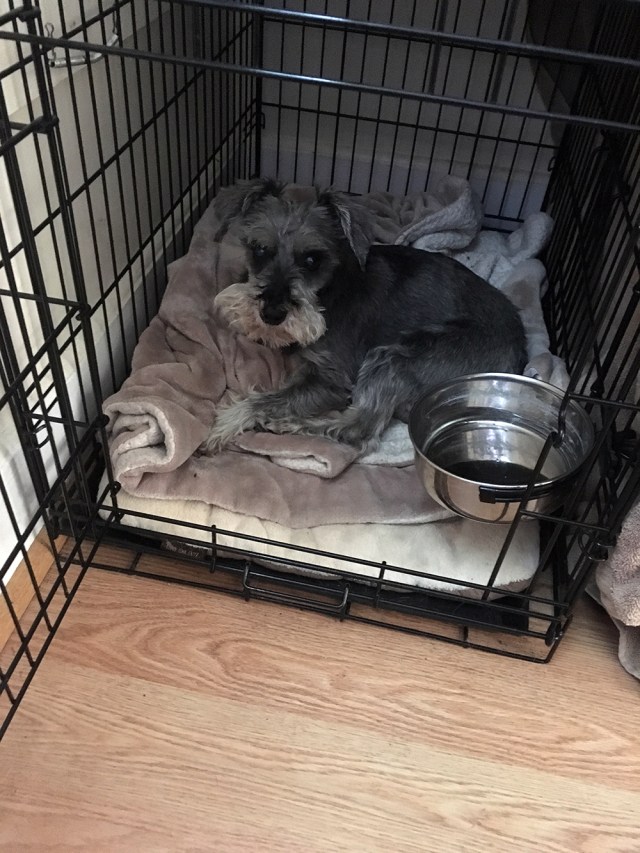
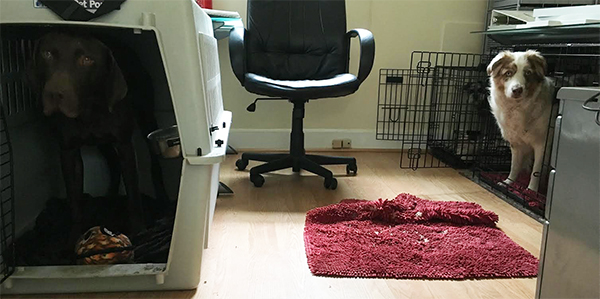
I’ve heard so many people say that it’s cruel. And then I look around my house. I’m home with my dogs most of the day, everyday (lucky me!). And you know what I see? At any given time at least half my dogs tend to sleep in their kennels. I have 4 extremely comfortable dog beds around my home and still they choose the kennels! In fact here’s a photo of Heidi right now. She’s in there 90% of the time. It’s her bed and she’s safe in there. She has her comfy blanket and her water. She can see me but also has privacy from the other dogs and my stepdaughter who’s running around playing. There’s nothing cruel about kennel when a dog has a positive association with it.

HeidiKennel

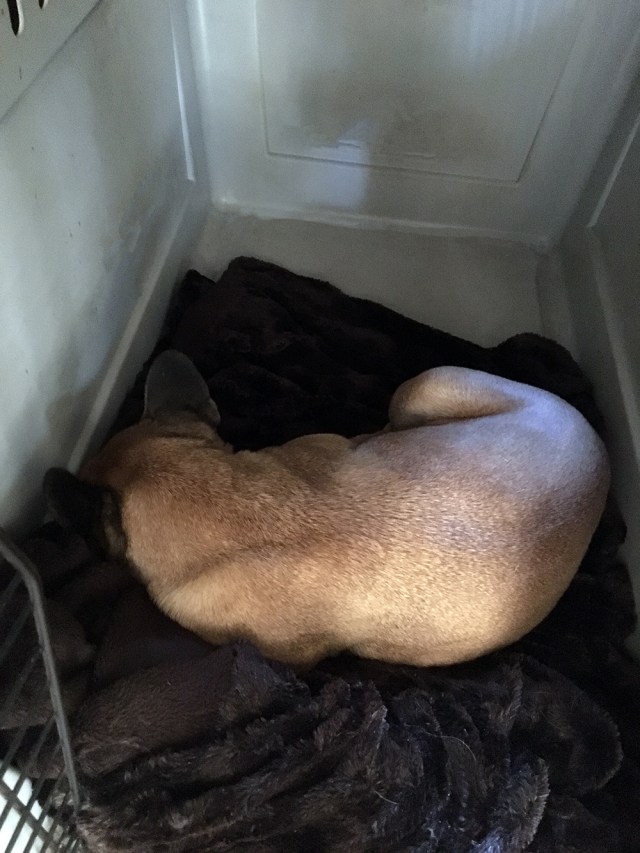
Please note that both Heidi (Miniature Schnauzer) and Remi (French Bulldog) are rescues with a trauma background. Heidi was not kennel trained when she arrived in my home and in fact she hated it! Remi was a rescue from a Puppy Mill and she did find comfort in her kennel and we used that to help socialize to her when we went somewhere new (scary for her). And now you’re saying well that’s great but how can I get my dog to want to be in their kennel too? Easy. Here’s my steps.

  • Feed your dog in their crate. Start with the door open and work your way longer and longer.
  • Place the kennel somewhere your dog would like to be. My kennels are in my office because I’m there frequently, there’s great air flow and the room doesn’t get too hot.
  • Choose the right size and type of crate for your dog. Heidi prefers wire, slightly larger than she needs, covered with a towel and multiple blankets for nesting. Every dog is different. She also insists on having her water topped up. My Pointer Ari prefers a plastic kennel, quite large and with a dark blanket (the softer the better). He couldn’t careless if there’s water or not but he gets it anyway. My Aussie Marco doesn’t have a favourite type but he likes one blanket that he can move out of the way so he can lie directly on the cool plastic. He also likes water in there. Play with the format and see what your dog likes. It’s easy enough to buy a used kennel, wipe it down with bleach and leave outside for 24 hours. If your dog doesn’t seem to be doing well with it then sell it and try another kind.
  • Give special treats like bones in the crate. I also feed stuffed kongs in there. This helps keep the peace as well as teaches my dog to relax in there.
  • Give your dog plenty of time to get used to using it before leaving them alone in the crate. The timeline varies dog to dog depending on background and individual needs.

RemiKennel

Why do I do this?

  • Gives my dog a safe space to be where I don’t have to worry they are developing bad habits.
  • Gives my dog a place to eat or enjoy a treat undisturbed.
  • Gives my dog a sense of security.
  • Gives my dog a stable environment that they are comfortable when we are travelling.

My dogs sleep in their crates at night and stay in them when I go out. I can leave them out if I like as we’ve done so much working on preventing boredom behaviours that I don’t have to worry about them getting into the garbage, chewing something inappropriate or urinating around the house however I do use them when I go out about 75% of the time. My goal isn’t to have my dogs loose in my house – it’s to keep my dogs safe and happy.

Posted in General Advice | Tagged , , , , , , , | Leave a comment

What Your Dog Needs

There’s a lot of misconceptions out there about what your dog needs to be happy. I hear them all the time. It includes statements like “you need to be alpha” or “you have to show him who’s boss”. Honestly what does that even mean? That your dog is afraid of you? That your dog respects you? So let’s get real here.

What does a dog really need from his family? And yes I am using the word family as the majority of us now view dogs as members of the family – and that’s ok!

AriChill

Dogs need:

  • Leadership from their family. A good leader is kind, gentle and as fair as possible. This means that your dog isn’t afraid of you.A good leader provides training to their dog so the dog knows what to do when asked. Dogs don’t come programmed to know how to leave garbage alone or how to cope with being on their own when their family goes out. A good leader teaches their dog what to do.
  • Regular exercise that isn’t over stimulating. See my post all about exercise here.
  • Brain games! These can include interactive feeding, dog sports and find it games.
  • Affection. Yes they really do. Dogs are social and they depend on their family to provide them with touch and love. Be gentle to your dog and spend time forming a relationship.
  • Time to do dog things! What are dog things? Chewing, Running, Peeing on Stuff, Smelling, etc. Let your dog be a dog.
  • Good nutrition. This definitely impacts behaviour as well as health so ensure your dog’s needs are being met.
  • Regular health exams. Having a good relationship with your vet is extremely important. Your dog can’t communicate when they aren’t feeling so regular wellness exams are important. A lot of the time when I’m asked to work on a significant behaviour issue there’s an underlying medical cause.

Notice what’s not here? Well I’ll point it out since I’m nice like that. Dogs don’t need an “Alpha”. Dogs don’t need to run wild with other dogs while their owners ignore them on walks. Dogs don’t need acres of land to keep themselves busy on (although it’s nice to have).

Teach your dog what you need them to know. Ensure you’re spending time with your pet. Do a variety of activities and include your dog in your life.

MarcoChill

Posted in General Advice | Tagged , , , , , , , , | 1 Comment

Tall fences make good neighbours???

There’s a saying that tall fences make good neighbours and I completely get where they are coming from however I doubt they had dogs. Tall fences (or any fence for that matter) can be a great way to contain your dog in your yard. I use the word can here purposely. It isn’t always the best bet – why you ask? Well that’s easy some dogs can climb out and even more commonly many dogs like to fence fight.

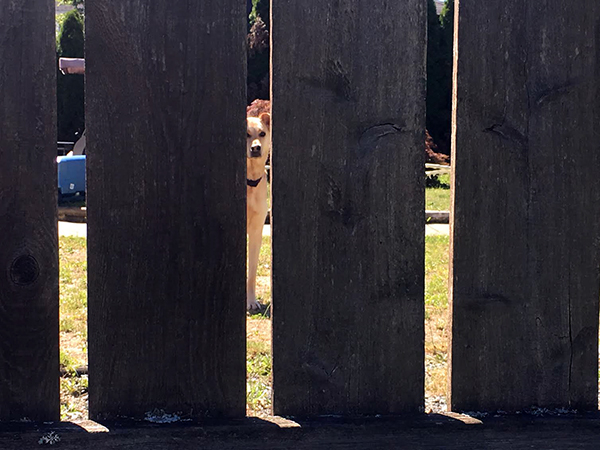
What is fence fighting? Well typically what happens is we have one or more dogs on each side of the fence. The dogs are frustrated that they cannot access the exciting dog on the other side of the fence and it flips into aggression. Many dogs enjoy fence fighting. The look of bliss on my Frenchie’s face when she fence fights is simultaneously hilarious and troublesome.

NeighbourDog

Now from a logic standpoint it’s a pretty frustrating issue. Some dogs will stop once they’ve met the other dog only one time. After that it’s a few quick sniffs and life is grand. However some dogs like to fence fight and will make a game out of it. I have 3 dogs who live for the fence fight – but don’t fight when there’s no fence.

So you’re thinking “great I built this amazing fence and now my dog is making me look like I have a dangerous beast in my yard”. Don’t sweat it as there’s a few ways to remedy the situation.

Step #1 – determine if your neighbours’ dog is going to be an instigator. If the neighbours’ dog is the one going crazy then it doesn’t hurt to approach them about working on the issue together. I did once have a neighbour who didn’t care and allowed his dogs to constantly bark and run along the fence for years – we built our dog run on the other side of our home and stopped using the yard. Not ideal.

EveryoneYard

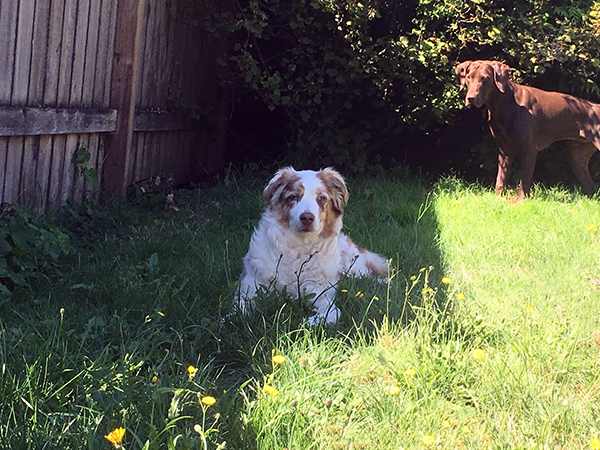
Step #2 – don’t ever leave your dog unattended in the yard. This one takes some work as it’s nice to just let Rover run around out there but sadly the more they practice fence fighting the better they get at it. Once a behaviour is ingrained it’s harder to turn it around. So you’ll need to amp up the supervision.

HeidiYard

Step #3 – teach your dog a solid recall around distractions (this should happen independently of the fence) and then work your way up to being able to call your dog away from the fence. Reward your dog heavily for doing this! And by this I mean coming when called.

Step #4 – ensure you interrupt any fence fighting immediately. Some dogs respond to a loud noise or calling them away for a treat or a toy. If you’re worried your dog won’t recall then keep them on a long line while you practice.

It takes work but you can find that peace of mind in your yard again. 

MarcoFence

Posted in Behaviour Issues | Tagged , , , , , , , | Leave a comment

Dog Fights @ Home!

It can be challenging to have multiple dogs sometimes. One of the most common calls I get is about intra-household aggression meaning that two or more dogs that live together are fighting amongst themselves.

This issue causes a lot of pain and stress to everyone involved. Pet parents are often at their wits end because they love all of their dogs but they can’t continue to live in a situation where their pets are at risk of seriously injuring each other or the people they live with.

One of the most important parts of having multiple dogs is managing safety around resources – food, bones and toys! If you don’t set them up for success than many dogs will escalate to dominance displays and aggression.

As a dog trainer I know this so I take some steps to keep everyone in my pack safe and happy. And today I am going to share these with you because I want everyone’s dogs to get along and stay safe!

NUMBER ONE RULE

Everyone eats separately. I hear it all the time – my dogs can eat out of the same bowl! Or my old dog just lets the younger one take his and it’s not a big deal. Well you know what it’s all fine and dandy until it isn’t. One day that passive dog may have had enough and bam you have a dog fight that never needed to happen.

There’s many ways to feed dogs separately but what I’ve done is taught every single pack member that they eat in their own personal kennel (meaning my dogs all have their own designated spot – they aren’t allowed in each other’s kennels). My kennels are in the same room however if I had a challenging dog then maybe that dog’s kennel would be in a different area.

BLOGWaitingPatiently

As soon as I reach for the food bowls all of my dogs will go on their own accord to their own kennel and wait there. If I drop food or am delayed – guess what – they still wait! They know that they are only get food if they are in their kennel so that’s where they want to be. This keeps everyone safe and should I have any young kids visiting it gives my dogs peace of mind while they eat.

BLOGGettingOurFood.jpg

No one comes out of their kennel until everyone else is done. As soon as the dogs come out then I remove the bowls. Its easy and it keeps all my pets safe. My dogs still eat in the same room but they know that another dog isn’t going to steal their food and a wayward human isn’t going to bother them either.

I also feed bones and kongs in this same manner.

So if you have more than one dog please follow the NUMBER ONE RULE! Feed separately and live happier lives.

BLOGDinnerIsServed

Posted in Behaviour Issues | Tagged , , , , , , , , | Leave a comment

Exercise won’t cure your dog’s problems

I was reading a post on a social media forum yesterday. A person was asking for help as his dog was suffering what appeared to be a pretty severe case of separation anxiety. These forums drive me a bit crazy because more often than not the people needing assistance should be hiring a trainer or behaviourist to come in and work with them personally. There’s no way a professional can (or should) help you on a social media forum. The other issue is that people offer a litany of bad advice! One of the responses to this person was that he should exercise his dog more.

If the cure to separation anxiety or aggression or reactivity or almost any other canine behaviour issue could be resolved by exercise then my dogs would be perfect. This is such a common misnomer and it does prevent people from seeking the help they need.

Now all that being said exercise is extremely important to dogs. I live with two “working” breeds aka they are high energy as they were bred to do jobs. They both need regular, daily exercise but not everything we do has the same result and it’s important to provide your dog with a variety of activities.

Exercise that calms your dog down:

  • Hiking in natural areas
  • Walks in urban areas that aren’t busy with other people and dogs
  • Nosework and Tracking games
  • Practicing Obedience or Rally Obedience

Exercise that increases your dog’s arousal level (and could result in higher levels of stress, anxiety and aggression) but can be good in short doses with a cool down:

  • Dog sports like Agility, Flyball and Disc
  • Games of Fetch
  • Dog Parks
  • Biking or ATVing with your dog
  • Dog Daycare

The very best thing you can do for your dog is to provide them with daily, calming exercise. An ideal would be a hike in a natural area where your dog can do lots of smelling. Incorporate some obedience exercises like heeling, focus and recall while you’re out.

Dog sports are great (and I training and compete in a variety of them) however they are physically hard on your dog and geared to get their blood pumping. Three times a week is plenty and you might want to keep practice sessions short. Add a nice long walk in afterward as a cool down.

MarcoHikeNew

Posted in Behaviour Issues | Tagged , , , , , , , , , , | 2 Comments